


The Index Library
Practical resources, coaching insights, and development ideas for coaches, players, and parents at every level of the game.

Tryout Season: What Parents Need to Know breaks down one of the most emotional and misunderstood periods in youth sports.
This short article goes beyond team selection and explains what tryouts actually reveal about development, mindset, preparation, and long-term growth. It helps parents understand how coaches evaluate players, what truly stands out during tryouts, and why short-term outcomes should never define a player’s future.
You’ll learn how to support your child without adding pressure, how to handle disappointment the right way, and how to focus on development instead of chasing status, teams, or labels.
If you want to approach tryout season with more clarity, perspective, and purpose, for both you and your child, this article provides the framework to do it the right way.

Helping Your Child Play With Confidence explores one of the biggest factors in youth performance: the emotional environment surrounding the player.
Confidence is not built through constant praise or pressure—it’s built through preparation, trust, resilience, and the freedom to make mistakes without fear. This article helps parents understand how their words, reactions, and expectations can either strengthen or quietly damage a child’s confidence in sports.
You’ll learn how to support your child after mistakes, encourage growth without adding pressure, and help them develop genuine self-belief that lasts beyond good performances.
If you want your child to play freer, compete with more courage, and enjoy the game with confidence instead of fear, this article provides the perspective every sports parent should understand.
Free Articles
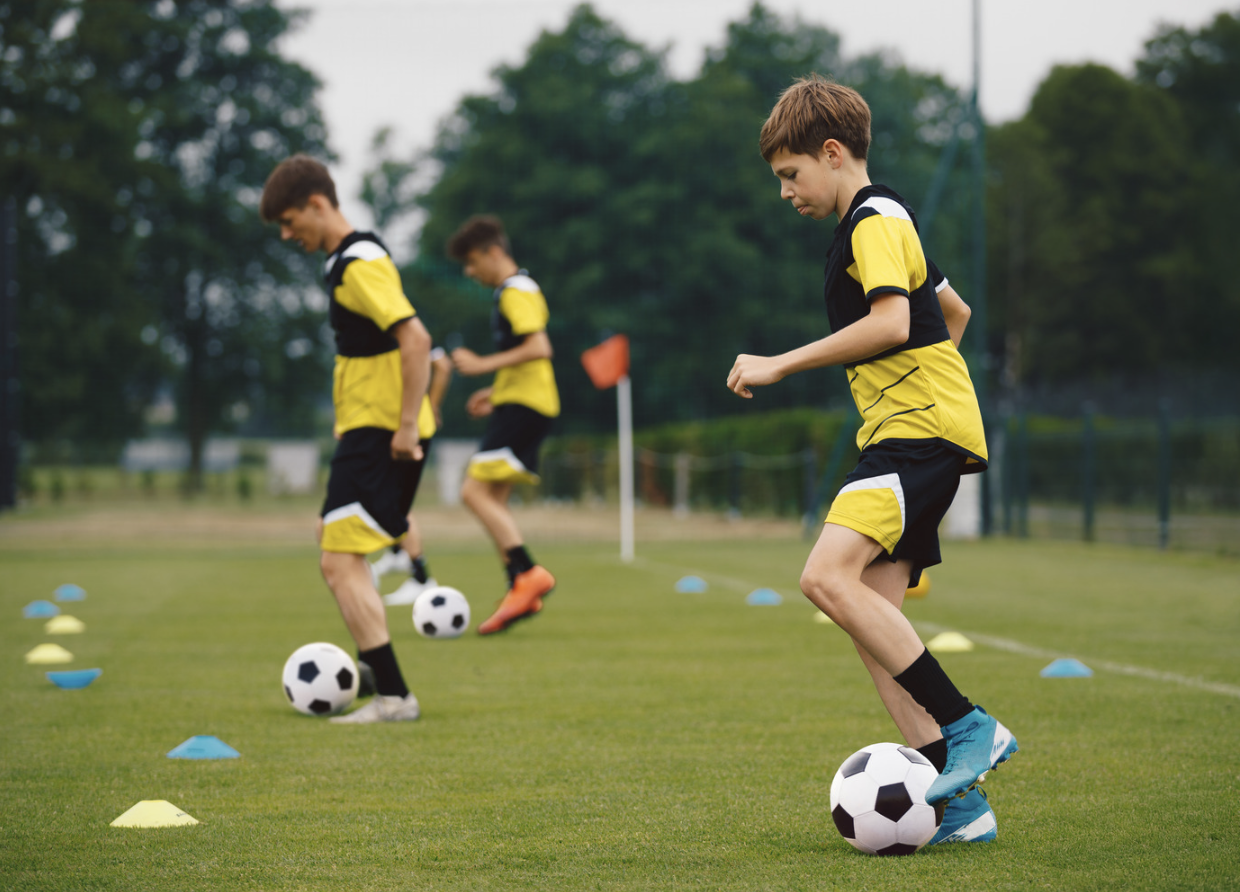
Private Soccer Training: What to Look For breaks down the difference between training that looks productive and training that actually develops players.
In today’s game, private training is everywhere, but not all training environments improve decision-making, game transfer, or long-term development. This article helps parents and players understand what separates real development from flashy sessions built for social media.
It explores what quality training should include: realistic pressure, decision-making, purposeful repetition, communication, intensity, and clear connection to actual game situations, not just isolated drills and endless cone work.
You’ll also learn the warning signs of ineffective training, how to evaluate trainers beyond credentials or online clips, and what questions to ask before investing time and money.
If you want training that genuinely improves performance on game day instead of just looking good in workouts, this article gives you the framework to identify it.
How an Environment Shapes a Player More Than Talent challenges one of the most common beliefs in youth development, that ability alone determines success.
In reality, the environment a player is in has a greater impact on growth than natural talent ever will. Training culture, coaching language, expectations, teammate standards, and emotional safety all shape how a player thinks, reacts, and develops under pressure.
This article breaks down how environments either accelerate or limit development, why talented players can stagnate in the wrong setting, and why less naturally gifted players often thrive when the environment is right.
If you want to understand what truly builds players over time, this article explains why environment is the real multiplier of talent.

Be the Sideline Your Child Remembers is a powerful look at the role parents truly play in youth sports, not through tactics or coaching, but through presence, perspective, and emotional impact.
Long after the wins, losses, trophies, and standings fade, most athletes remember one thing clearly: how the sideline made them feel. This article explores how pressure, criticism, comparison, and unrealistic expectations can shape a child’s experience in sports, and how support, encouragement, and perspective can transform it.
You’ll learn how to help your child build confidence without dependence, resilience without fear, and a healthier relationship with competition, performance, and failure.
If you want your child to remember sports as a place of growth, joy, and connection, not anxiety and pressure, this short article offers a framework every sports parent should understand.
Multi-Sport vs Specializing in Soccer breaks down one of the most debated topics in youth development and separates opinion from what actually matters for long-term growth.
This article explores how playing multiple sports can develop overall athleticism, creativity, and coordination, while early specialization can sometimes accelerate technical soccer-specific development, but also comes with risks if the environment is not managed properly.
It looks at what high-level development actually requires: movement variety, decision-making, physical literacy, enjoyment, and sustainable motivation, rather than just early results or short-term performance.
If you want to make better decisions for your child’s development path, this article gives a clear, balanced framework instead of the typical extreme viewpoints.
The Summer Development Plan is a practical guide for players, parents, and coaches who want to make the most of the summer months without turning development into pressure.
This article helps players understand what they should actually work on before the next season begins, while giving parents a clearer way to support growth without taking over. It breaks down the importance of honest reflection, purposeful training, technical growth, physical habits, game understanding, mindset, recovery, and ownership.
Rather than encouraging players to simply do more, this guide focuses on helping them do the right things with consistency and purpose. Summer can either become a period of random activity or a powerful window for growth. This article helps families and players choose the second option.
Building the Modern Center Back challenges the outdated idea that defending is just about winning duels and clearing danger.
Today’s center back is a decision-maker first, responsible for build-up play, scanning under pressure, defending large spaces, and solving problems before they become emergencies.
This article breaks down what actually defines the modern defender: positioning that reduces chaos, composure in possession, speed of thought in transition, and the ability to control the game without always touching the ball.
If you want center backs who don’t just defend, but dictate, organize, and start attacks with intention, this is the framework that shows you how the role has truly evolved.
Premium Articles

From Chances to Goals breaks down the most misunderstood part of attacking development: why players can create opportunities but consistently fail to finish them.
This isn’t just about shooting technique, it’s about decision quality, timing, body shape, composure, and what happens in the final moments before the shot is taken.
The article explores how chances are actually converted into goals at higher levels, what separates good attackers from clinical ones, and how training environments often fail to replicate the real pressure and speed of those moments.
If you want players who don’t just get chances but reliably turn them into goals when it matters, this is the framework that connects creation to execution.
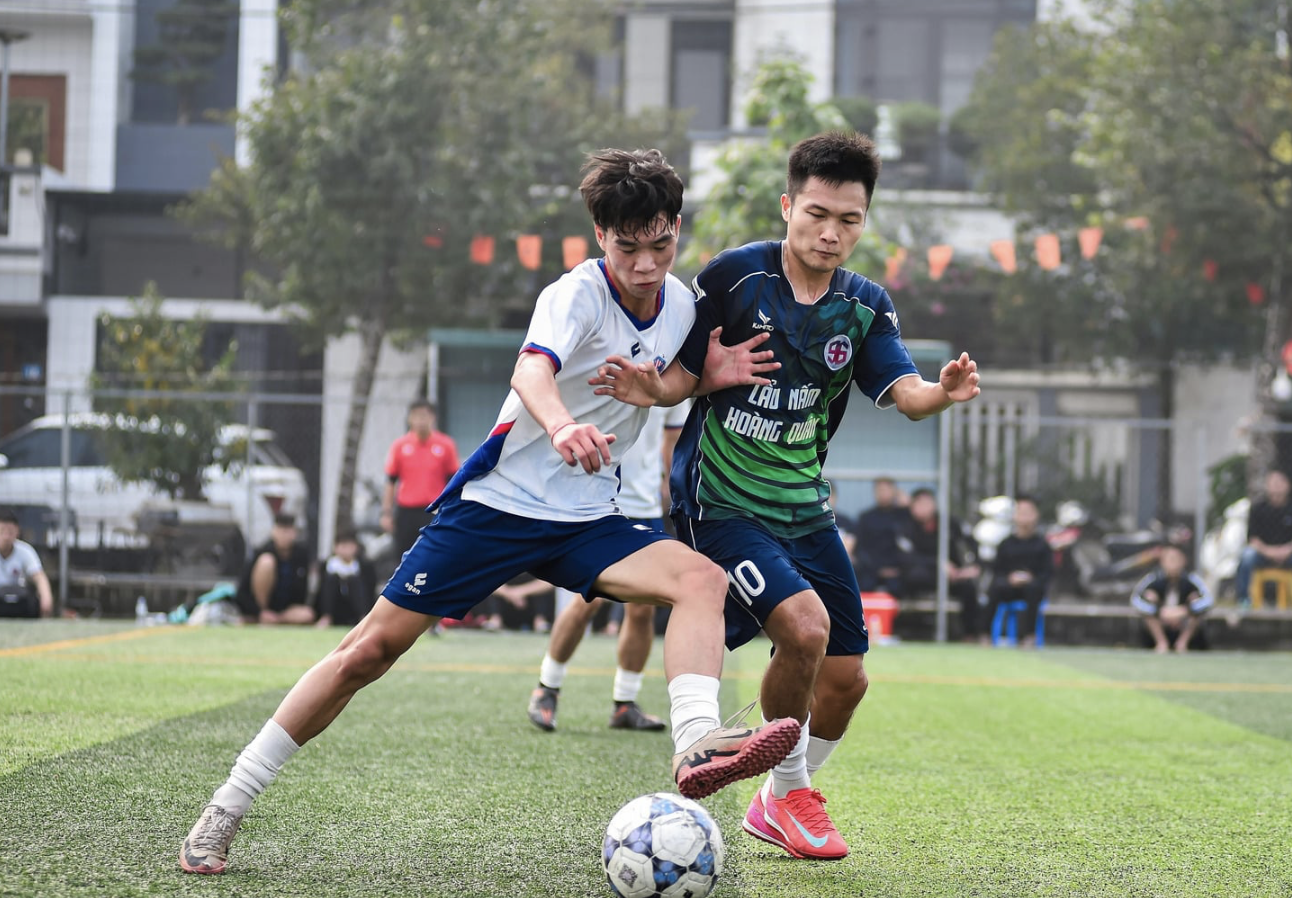
From Defender to Game Changer explores how the modern defender’s role has evolved far beyond simply stopping attacks.
Today’s top defenders influence every phase of the game, building attacks, controlling tempo, organizing teammates, breaking pressure, and making decisions that shift momentum before danger even develops.
This article breaks down the qualities that separate reactive defenders from true game changers: anticipation, composure, communication, positional intelligence, and the ability to impact the game with and without the ball.
If you want defenders who do more than survive pressure, players who control games, lead transitions, and become a driving force for the team, this article provides the framework to develop them.
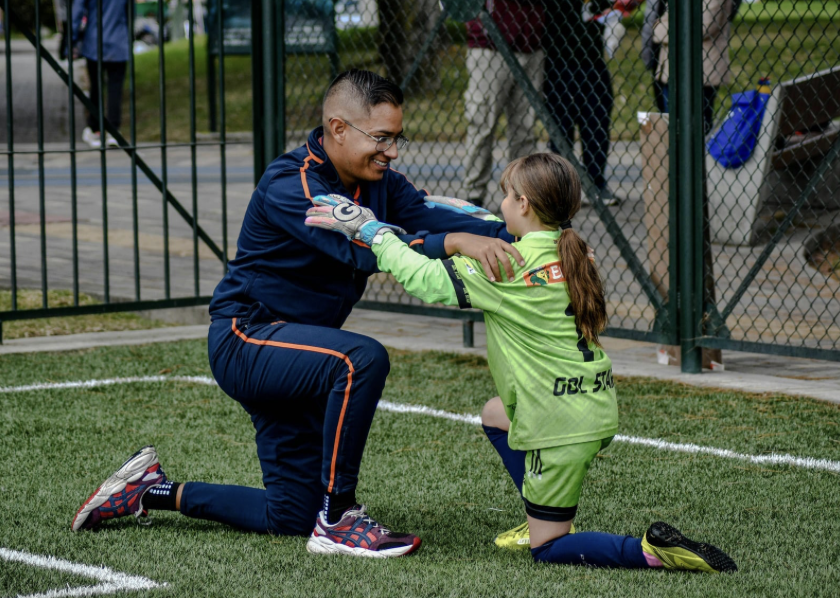
Rebuilding the Modern Goalkeeper challenges the outdated view that goalkeeping is only about saves and shot-stopping.
Today’s goalkeeper is the first playmaker and the last line of defense, responsible for distribution under pressure, scanning the field early, organizing the back line, and making decisions that shape the entire rhythm of the game.
This article breaks down what actually defines the modern keeper: starting attacks with intent, handling high-pressure moments in build-up, controlling space outside the box, and making decisions faster than the game moves.
If you want goalkeepers who don’t just react, but control possession, dictate tempo, and influence the game beyond the penalty area, this is the framework that shows how the position has evolved.