

Coaching Methodology
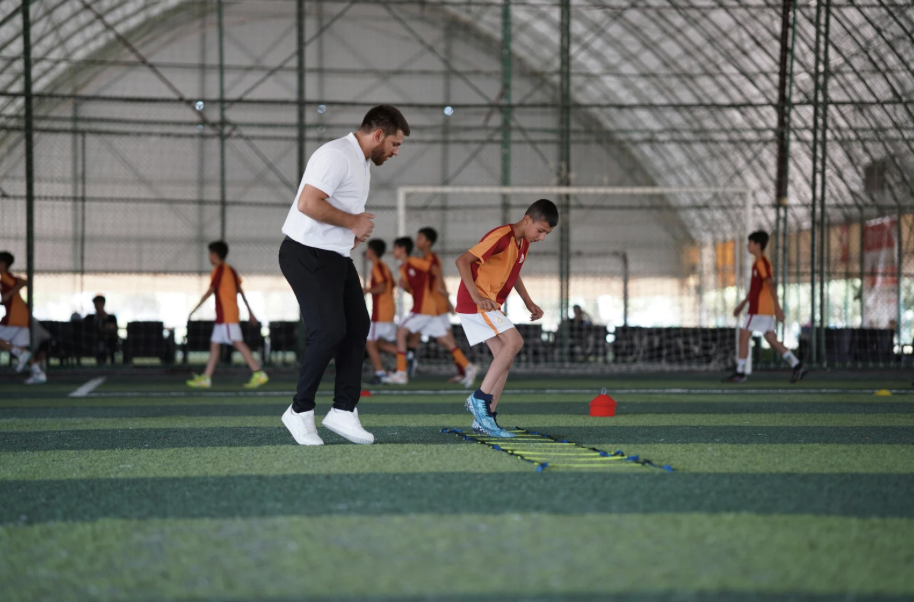
The Decision Layer Model breaks down how players actually make decisions in real game environments, not in theory, but under pressure, fatigue, and uncertainty. It helps coaches understand why players hesitate, rush, or default to poor choices, and more importantly, how to train better decision-makers instead of just better athletes.
Inside, you’ll learn how decisions are formed in layers, what most training environments miss, and how to design sessions that translate directly to match performance. This isn’t about more drills, it’s about building clarity, speed, and confidence in the moments that decide games.
If you want players who don’t just execute skills but understand when and why to use them, this model gives you the framework.
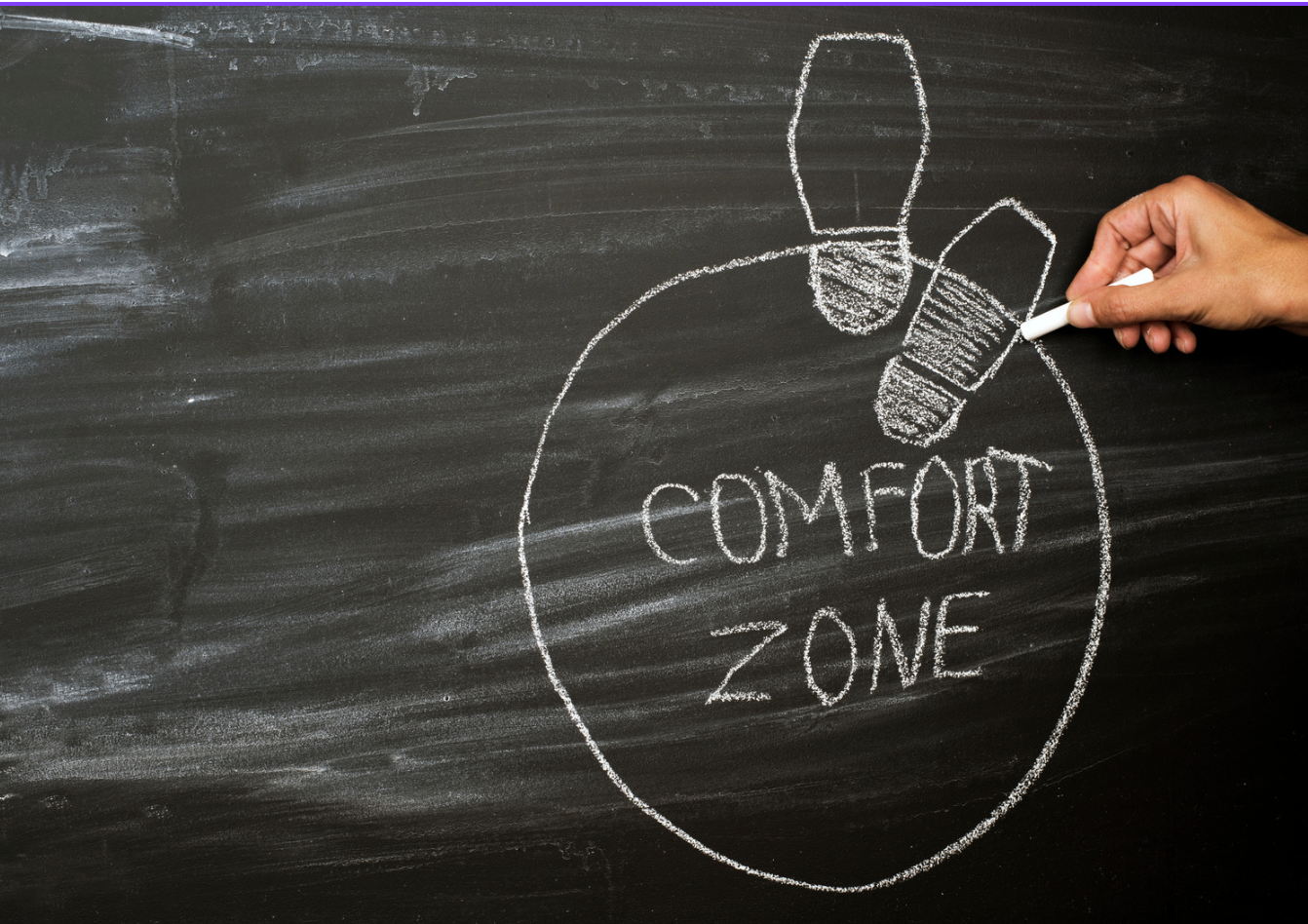
Most youth soccer environments are producing comfort, not players ready for the game. This article breaks down how training can look effective on the surface but fail to prepare players for pressure, uncertainty, and real decision-making, and what needs to change for true development to happen.
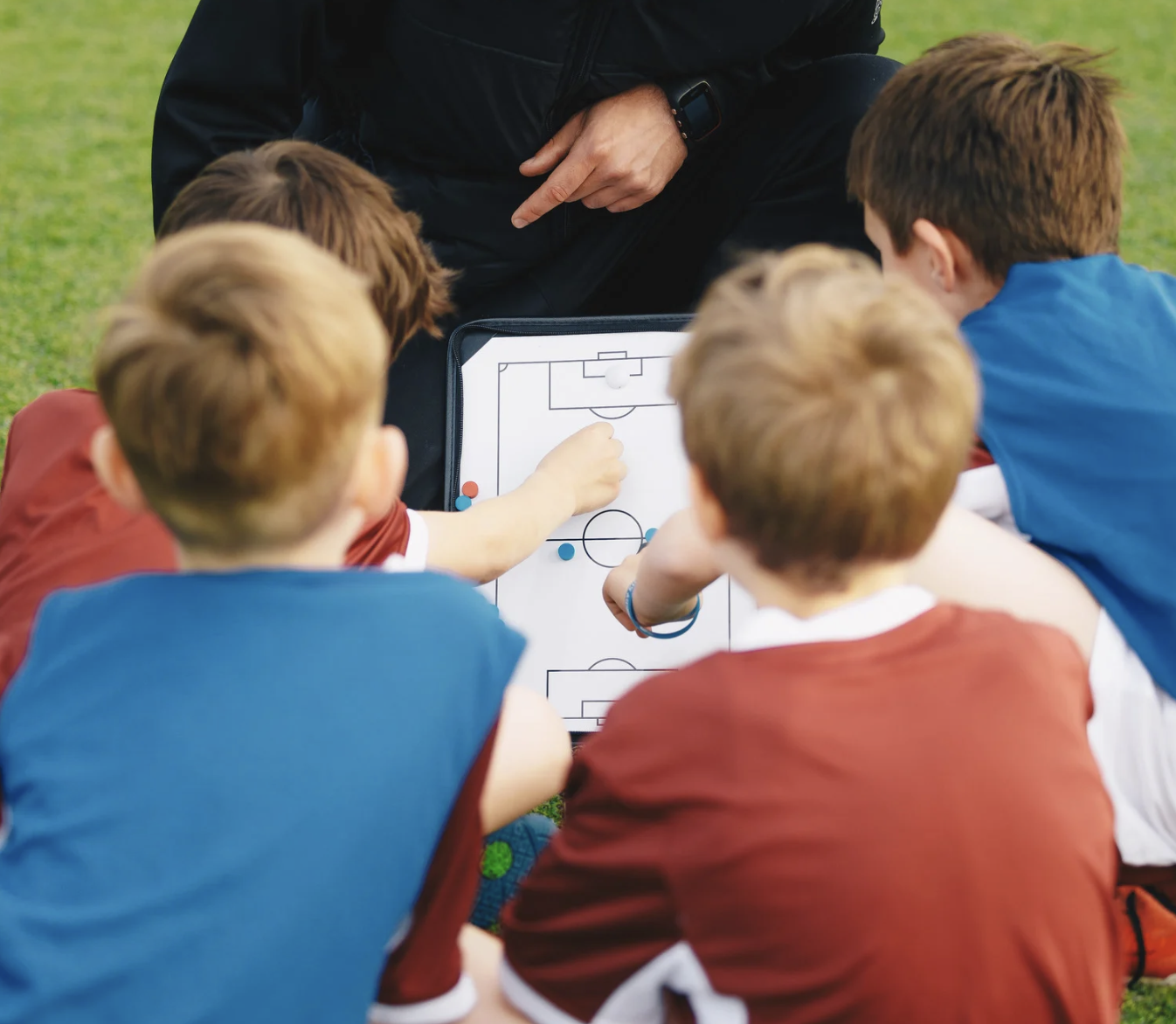
The Invisible Coaching Theory explains the part of development most coaching systems never see, or never train on purpose: what happens between the drills.
It focuses on the hidden layers that shape performance in games, decision timing, emotional control, perception, communication, and pressure response, everything that doesn’t show up in cone-based training but decides matches.
This framework helps coaches identify why players can look great in training but inconsistent in competition, and how to bridge that gap by designing environments that train what is actually “invisible” but always present in games.
If you want players who don’t just execute tasks but actually understand the game, respond under pressure, and adapt in real time, this is the lens that changes how you coach.

The Emotional Load Training Model explains what most coaching environments miss: performance doesn’t break down because players lack skill, it breaks down because they can’t process pressure, emotion, and decision-making load at game speed.
This model shows coaches how to train players under realistic emotional conditions so they stop freezing, rushing, or overthinking when it matters most. Instead of isolating technique, it builds resilience inside the actual chaos of competition.
You’ll learn how emotional pressure impacts execution, why traditional training often fails to transfer to games, and how to design sessions that prepare players for the mental and emotional demands of real performance.
If you want players who stay composed, clear, and effective under pressure, not just comfortable in training, this is the framework that bridges that gap.

THE COACHING INDEX.
More Articles
Coming Soon
We’re building deeper frameworks, smarter coaching ideas, and more tools for modern player development.
New articles will be added soon.