


The Coaching Index
Development driven soccer insights for coaches, parents and players.
Develop Better Players. Coach With Purpose.
Practical, modern coaching resources built for real player development.
The Coaching Index Briefs
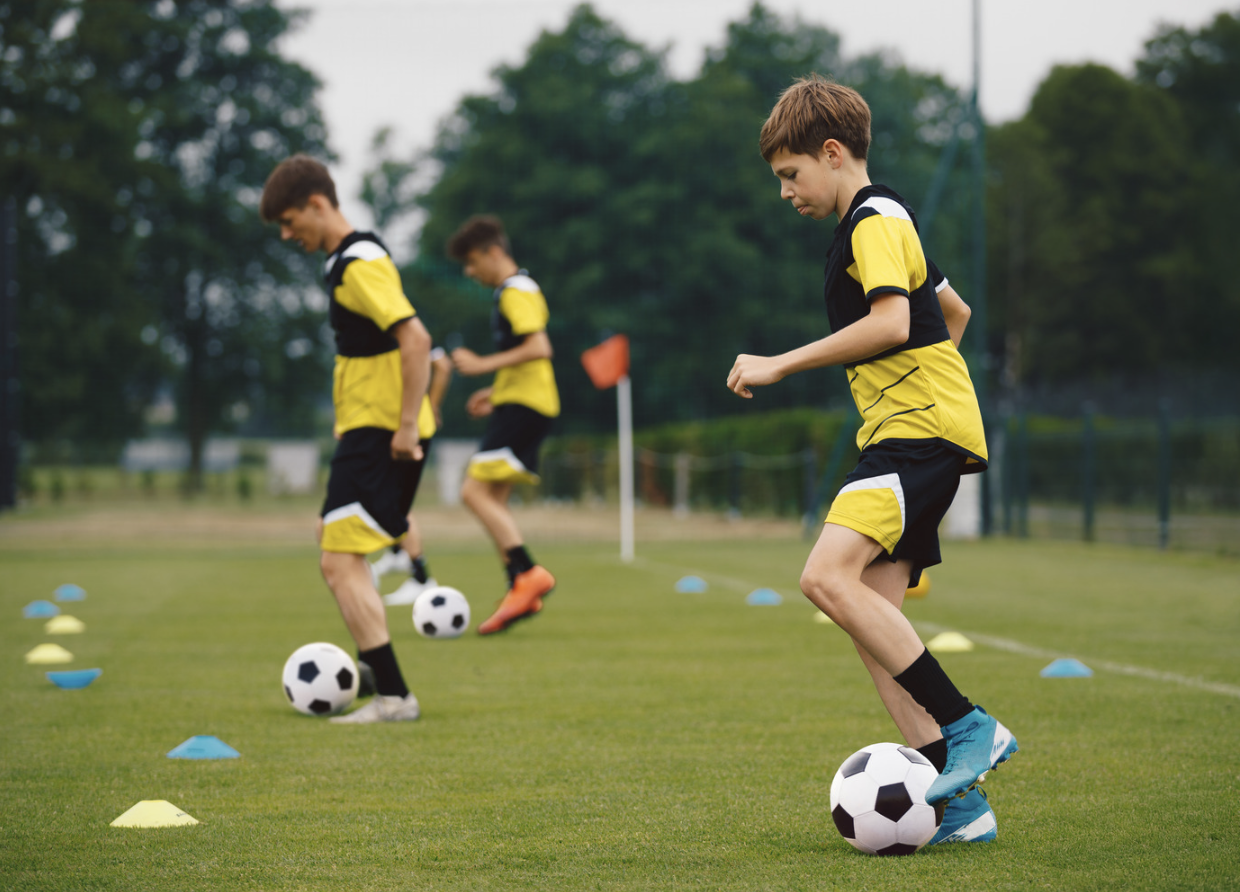
Private Soccer Training: What to Look For breaks down the difference between training that looks productive and training that actually develops players.
In today’s game, private training is everywhere, but not all training environments improve decision-making, game transfer, or long-term development. This article helps parents and players understand what separates real development from flashy sessions built for social media.
It explores what quality training should include: realistic pressure, decision-making, purposeful repetition, communication, intensity, and clear connection to actual game situations, not just isolated drills and endless cone work.
You’ll also learn the warning signs of ineffective training, how to evaluate trainers beyond credentials or online clips, and what questions to ask before investing time and money.
If you want training that genuinely improves performance on game day instead of just looking good in workouts, this article gives you the framework to identify it.
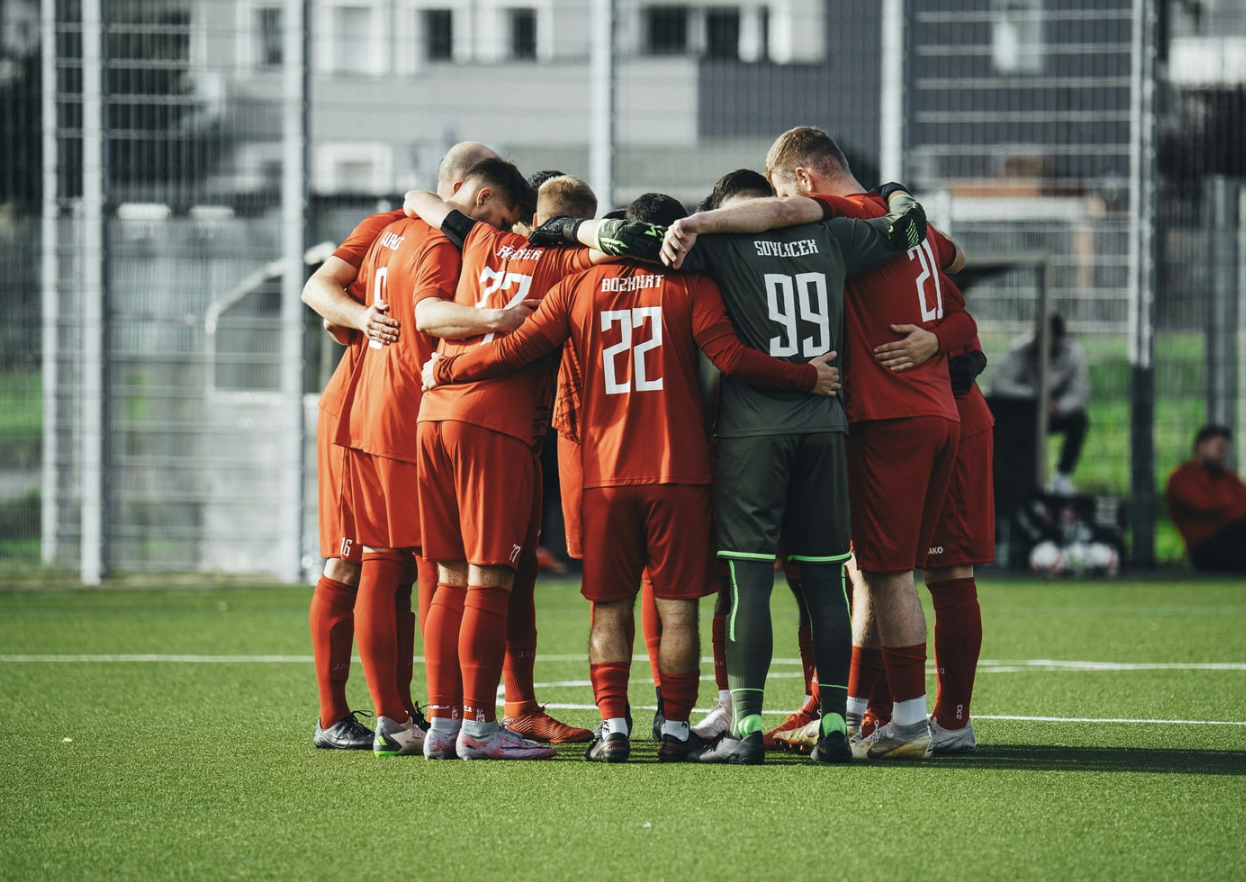
Every coach wants to help their players improve, compete, and succeed. But one of the most important measures of a team's culture is whether athletes are excited to return the following season. This article explores how coaches can create an environment built on belonging, meaningful challenge, clear communication, and player development. By focusing on the overall experience rather than just results, coaches can build teams that leave a lasting impact and keep players engaged for years to come.


Be the Sideline Your Child Remembers is a powerful look at the role parents truly play in youth sports, not through tactics or coaching, but through presence, perspective, and emotional impact.
Long after the wins, losses, trophies, and standings fade, most athletes remember one thing clearly: how the sideline made them feel. This article explores how pressure, criticism, comparison, and unrealistic expectations can shape a child’s experience in sports, and how support, encouragement, and perspective can transform it.
You’ll learn how to help your child build confidence without dependence, resilience without fear, and a healthier relationship with competition, performance, and failure.
If you want your child to remember sports as a place of growth, joy, and connection, not anxiety and pressure, this short article offers a framework every sports parent should understand.
Featured Articles
The Summer Development Plan is a practical guide for players, parents, and coaches who want to make the most of the summer months without turning development into pressure.
This article helps players understand what they should actually work on before the next season begins, while giving parents a clearer way to support growth without taking over. It breaks down the importance of honest reflection, purposeful training, technical growth, physical habits, game understanding, mindset, recovery, and ownership.
Rather than encouraging players to simply do more, this guide focuses on helping them do the right things with consistency and purpose. Summer can either become a period of random activity or a powerful window for growth. This article helps families and players choose the second option.
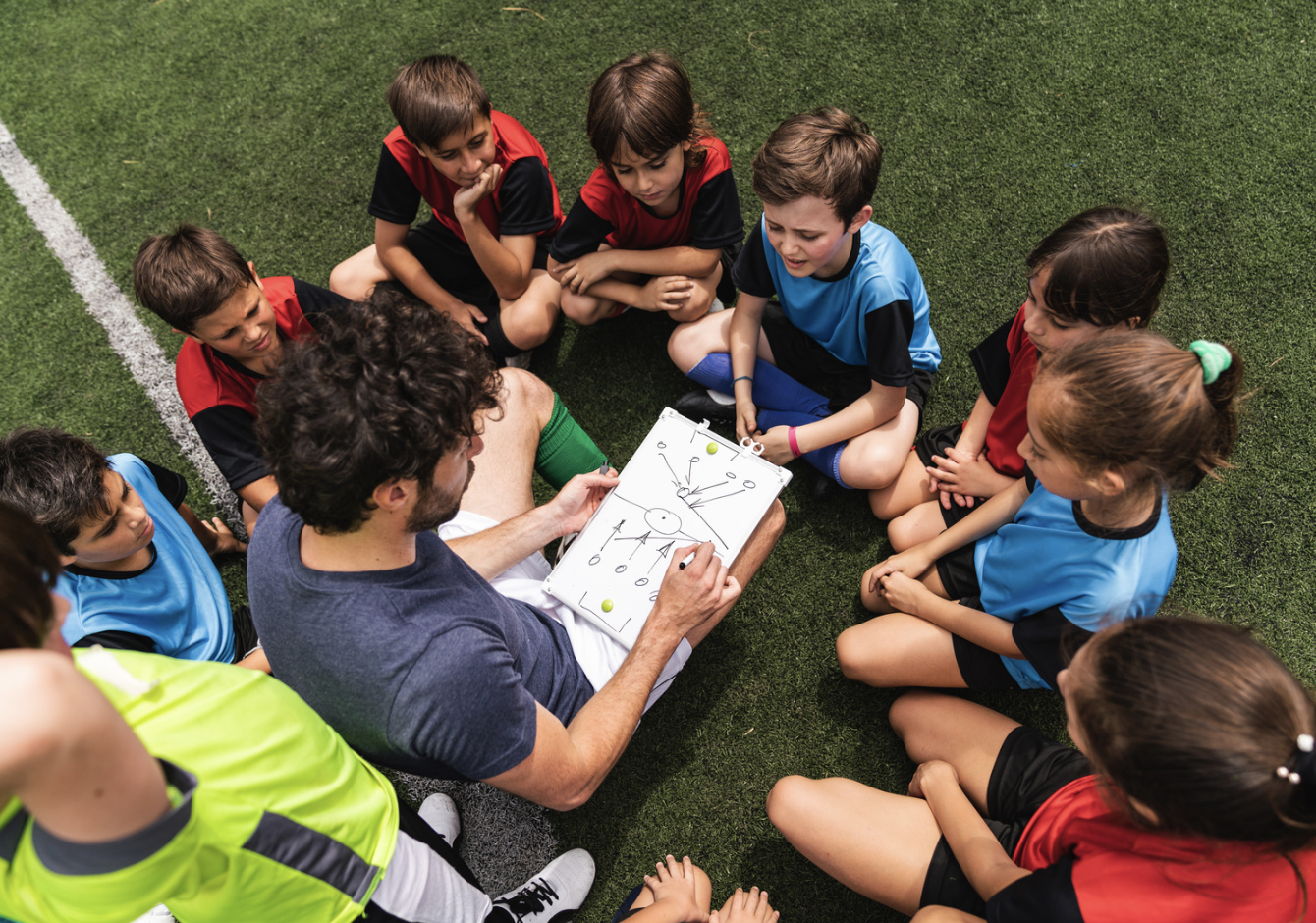
Understanding formations at the 7v7 level is about far more than simply placing players into positions. This article explores how different systems shape spacing, decision-making, confidence, and long-term player growth in youth soccer. From the balanced 2-3-1 to the attacking 3-1-2, coaches will learn the strengths, weaknesses, developmental benefits, and player responsibilities within each formation.
The article also breaks down common coaching mistakes, the importance of flexibility and creativity, and how to choose a structure that best supports the needs of young players. Designed for coaches focused on development over short-term results, this guide helps build smarter, more adaptable players through the experience of the game itself.

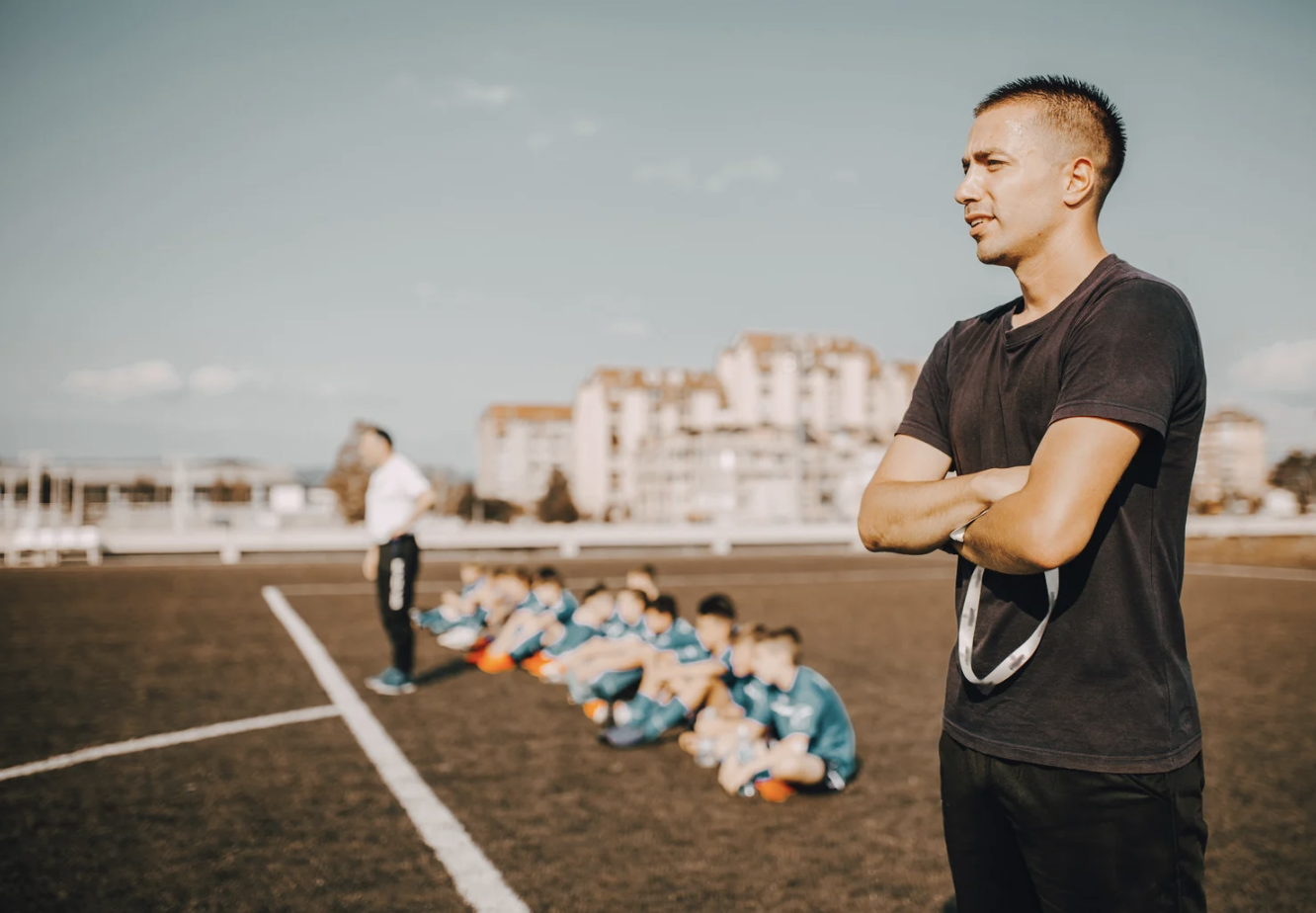
The transition into 9v9 soccer is one of the most important developmental stages in a young player’s journey. As the field grows and the game becomes more connected tactically, players begin learning how spacing, movement, transitions, and relationships between lines influence the flow of the game.
This article breaks down some of the most effective 9v9 formations in youth soccer, including the 3-2-3, 3-3-2, 4-3-1, and 3-1-3-1, while exploring the developmental benefits, player roles, and challenges within each system. Coaches will also gain insight into choosing the right structure for their team, avoiding common mistakes, and creating environments that prioritize confidence, adaptability, and long-term growth over short-term results.
Designed for coaches focused on teaching the game rather than simply organizing players, this guide helps bridge the gap between small-sided soccer and the full 11v11 experience.
Voices From The Game
“The most important factor in developing players and coaches is people management. Are you able to create the best circumstances and environment for each individual based on your perception of current skills and character.”
Marco De Ruiter
(Director of Sparta United Soccer Club/ UEFA/US Soccer Educator)
Mistakes are an important part of the process. Players learn faster when they have freedom to try things, get them wrong, and learn from the experience.
Brady Wycherly
(18 Years Coaching/USSF C License/ Utah Surf Club President)
“My main belief in developing anyone is that you need to create an environment that is driven by the individual you’re working with. There must be standards set by the developer, but individuals must feel psychologically safe and able to lead the acceleration of the development on their own with the guidance of the developer. If the roles are reversed, burnout is more likely to occur, frustration for both parties ensues, and development falters.”
Cameron Jolley
(Real Salt Lake U15 Assistant Coach/USSF A License)
“Player development today is about creating consistent environments with clear structure and coaches who truly understand the age and stage of the players they work with. Development takes time, and everyone involved: players, coaches, and parents. Everyone has to be patient with the process and understand that growth doesn’t happen overnight. When the environment is right and the process is understood, players have the best opportunity to develop and reach their potential.”
Eric Landon
(Utah Soccer Federation - Technical Director/US Soccer Educator)
“The most important factor in player and coach development today is creating intentional learning environments prioritizing long-term growth, decision-making, and consistent mentorship over short-term results.”
Gio DeMartini
Pre-ECNL Technical Director, Boise Timbers | Thorns ECNL; Executive Board Member, Idaho Premier League; former Portland Timbers Regional Training Center Director.