


The Coaches Room
Resources, ideas, and conversations designed to help coaches create better environments for players to grow and thrive.

A healthy team culture is not created through slogans, speeches, or social media posts alone, it is built through the daily environment players experience every time they step onto the field. This article explores how communication, accountability, trust, consistency, and emotional safety shape environments where players can grow, compete, take risks, and develop both on and off the field.
Strong culture is not about perfection. It is about creating an environment where players feel challenged, supported, connected, and responsible for the standards of the group.
Free Articles
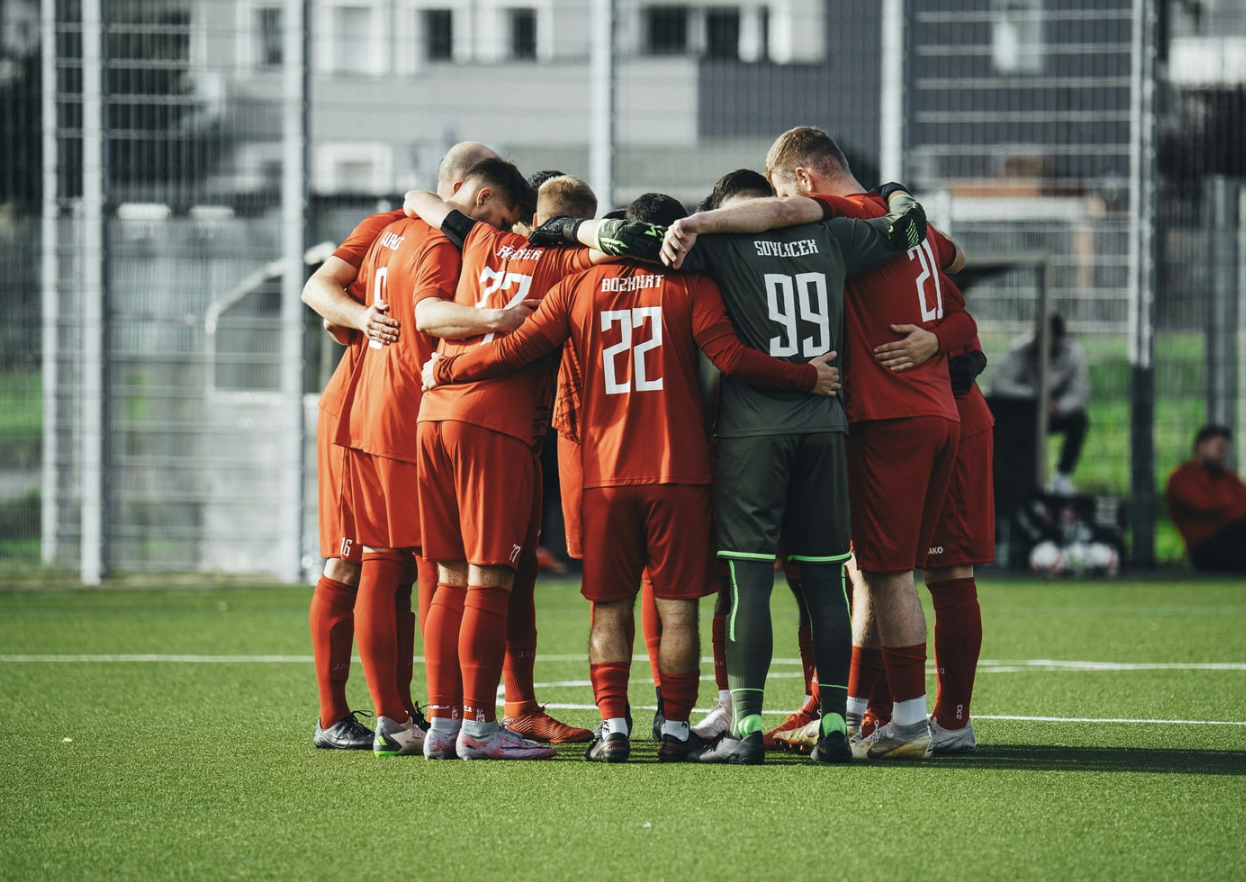
Every coach wants to help their players improve, compete, and succeed. But one of the most important measures of a team's culture is whether athletes are excited to return the following season. This article explores how coaches can create an environment built on belonging, meaningful challenge, clear communication, and player development. By focusing on the overall experience rather than just results, coaches can build teams that leave a lasting impact and keep players engaged for years to come.
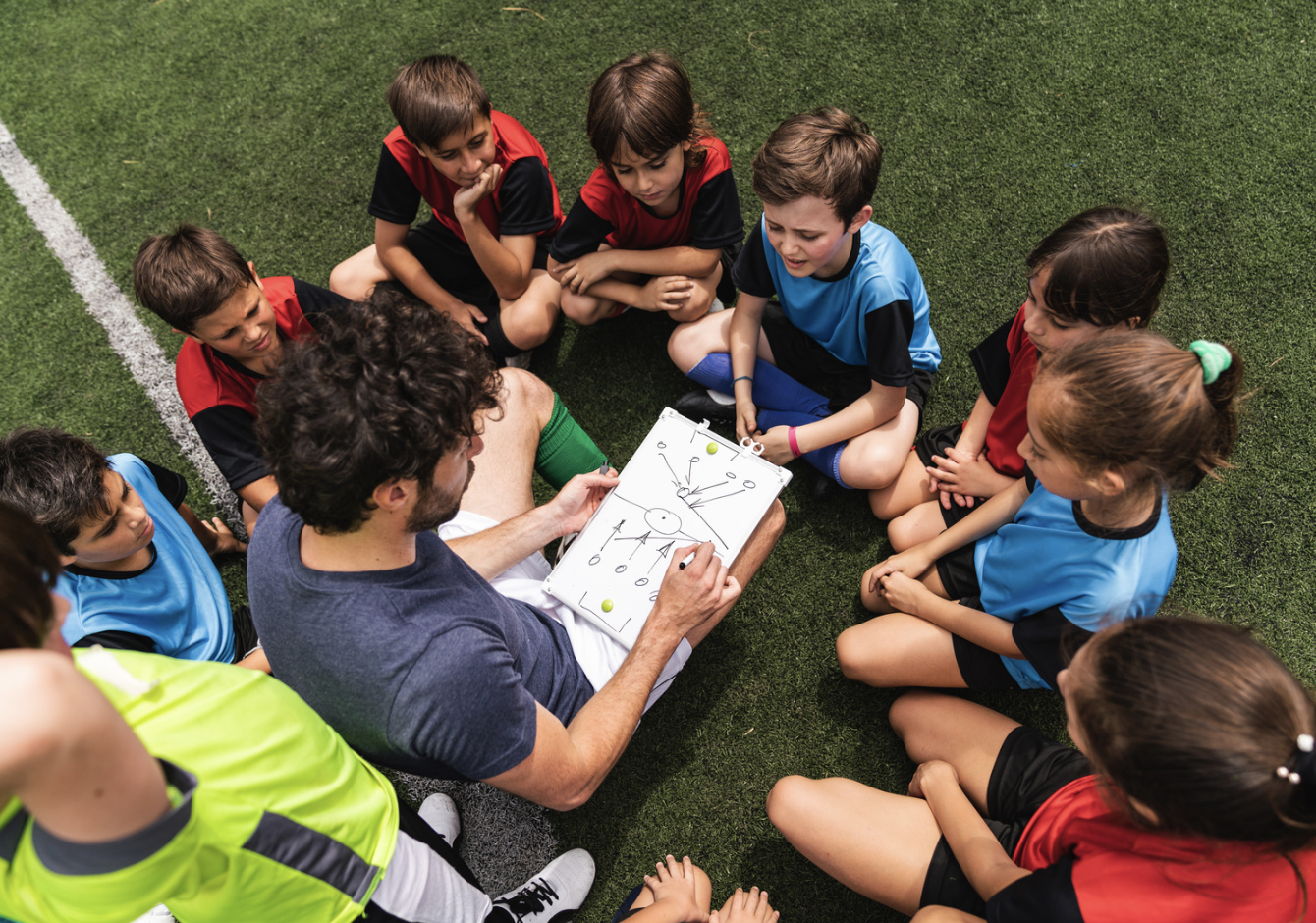
Understanding formations at the 7v7 level is about far more than simply placing players into positions. This article explores how different systems shape spacing, decision-making, confidence, and long-term player growth in youth soccer. From the balanced 2-3-1 to the attacking 3-1-2, coaches will learn the strengths, weaknesses, developmental benefits, and player responsibilities within each formation.
The article also breaks down common coaching mistakes, the importance of flexibility and creativity, and how to choose a structure that best supports the needs of young players. Designed for coaches focused on development over short-term results, this guide helps build smarter, more adaptable players through the experience of the game itself.
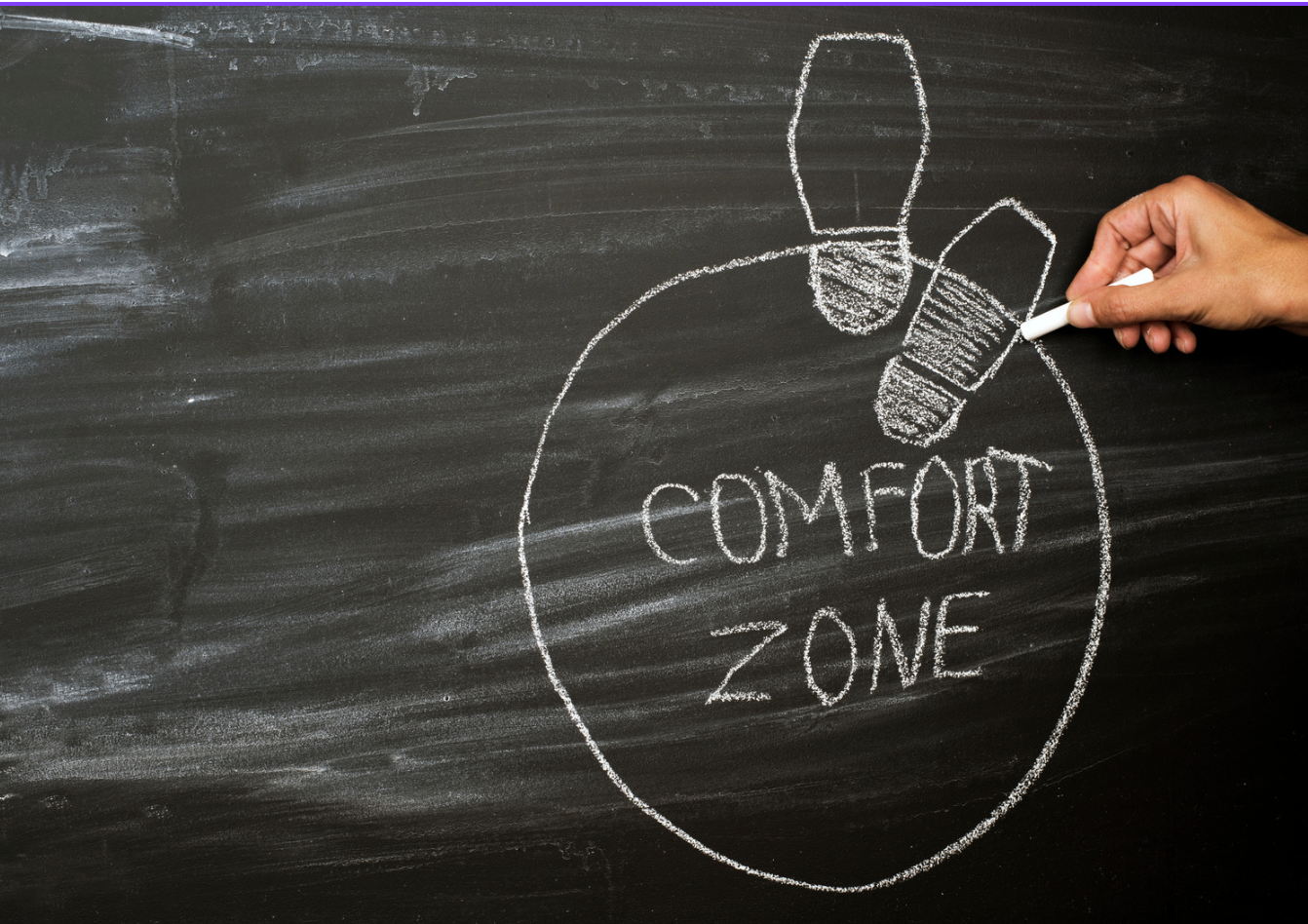
Most youth soccer environments are producing comfort, not players ready for the game. This article breaks down how training can look effective on the surface but fail to prepare players for pressure, uncertainty, and real decision-making, and what needs to change for true development to happen.
Premium Articles

The transition into 9v9 soccer is one of the most important developmental stages in a young player’s journey. As the field grows and the game becomes more connected tactically, players begin learning how spacing, movement, transitions, and relationships between lines influence the flow of the game.
This article breaks down some of the most effective 9v9 formations in youth soccer, including the 3-2-3, 3-3-2, 4-3-1, and 3-1-3-1, while exploring the developmental benefits, player roles, and challenges within each system. Coaches will also gain insight into choosing the right structure for their team, avoiding common mistakes, and creating environments that prioritize confidence, adaptability, and long-term growth over short-term results.
Designed for coaches focused on teaching the game rather than simply organizing players, this guide helps bridge the gap between small-sided soccer and the full 11v11 experience.
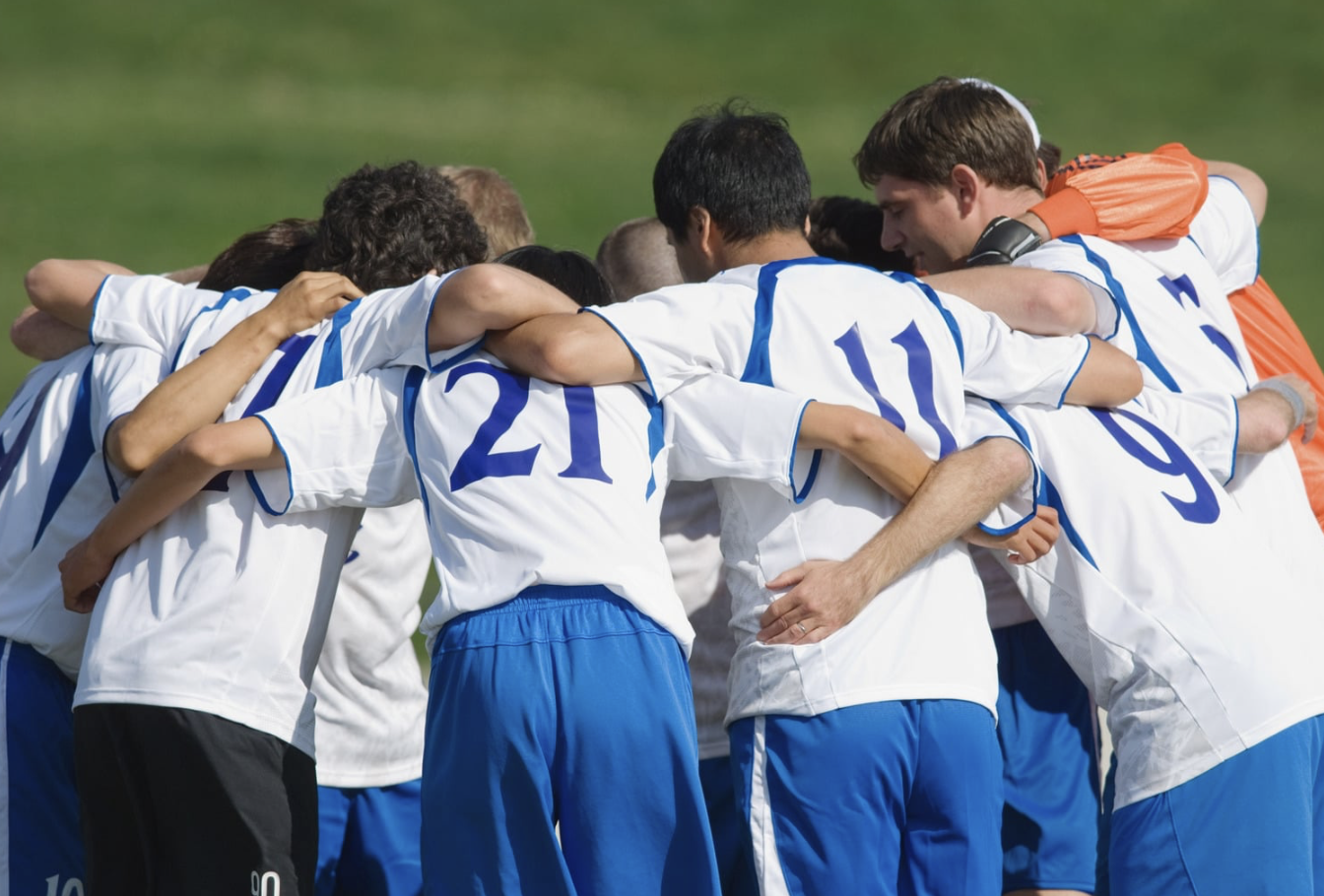
The Emotional Load Training Model explains what most coaching environments miss: performance doesn’t break down because players lack skill, it breaks down because they can’t process pressure, emotion, and decision-making load at game speed.
This model shows coaches how to train players under realistic emotional conditions so they stop freezing, rushing, or overthinking when it matters most. Instead of isolating technique, it builds resilience inside the actual chaos of competition.
You’ll learn how emotional pressure impacts execution, why traditional training often fails to transfer to games, and how to design sessions that prepare players for the mental and emotional demands of real performance.
If you want players who stay composed, clear, and effective under pressure, not just comfortable in training, this is the framework that bridges that gap.
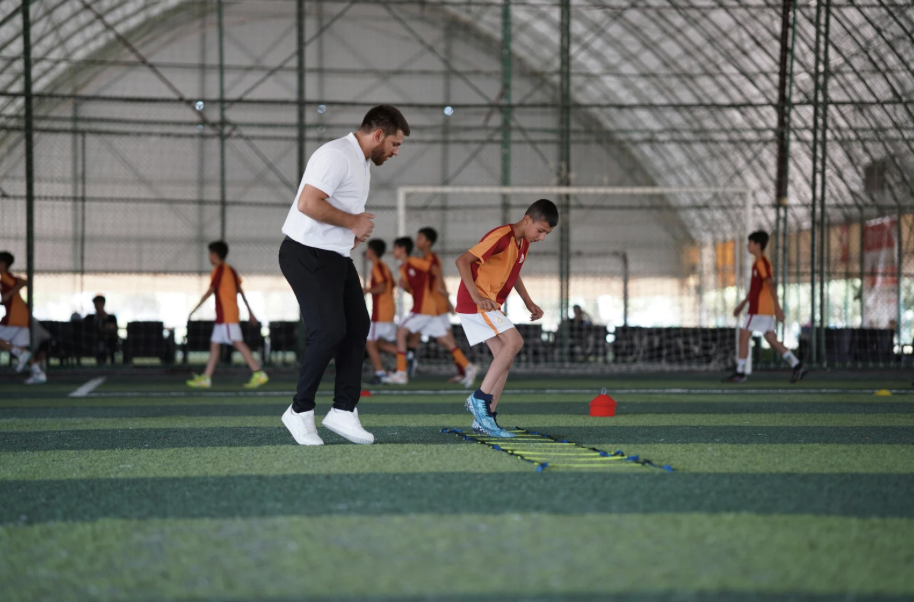
The Decision Layer Model breaks down how players actually make decisions in real game environments, not in theory, but under pressure, fatigue, and uncertainty. It helps coaches understand why players hesitate, rush, or default to poor choices, and more importantly, how to train better decision-makers instead of just better athletes.
Inside, you’ll learn how decisions are formed in layers, what most training environments miss, and how to design sessions that translate directly to match performance. This isn’t about more drills, it’s about building clarity, speed, and confidence in the moments that decide games.
If you want players who don’t just execute skills but understand when and why to use them, this model gives you the framework.
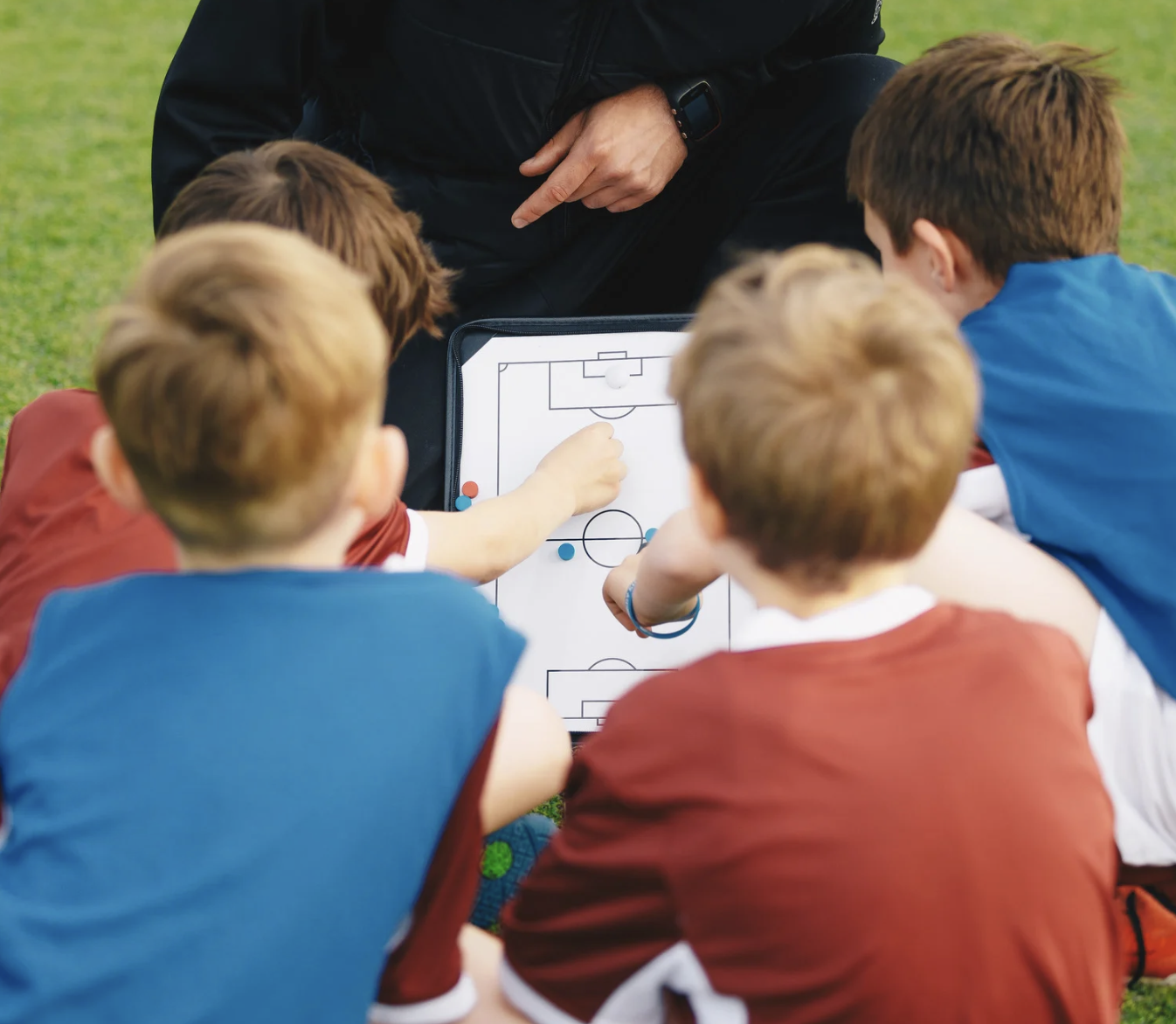
The Invisible Coaching Theory explains the part of development most coaching systems never see, or never train on purpose: what happens between the drills.
It focuses on the hidden layers that shape performance in games, decision timing, emotional control, perception, communication, and pressure response, everything that doesn’t show up in cone-based training but decides matches.
This framework helps coaches identify why players can look great in training but inconsistent in competition, and how to bridge that gap by designing environments that train what is actually “invisible” but always present in games.
If you want players who don’t just execute tasks but actually understand the game, respond under pressure, and adapt in real time, this is the lens that changes how you coach.

THE COACHING INDEX.
More Articles
Coming Soon
We’re building deeper frameworks, smarter coaching ideas, and more tools for modern player development.
New articles will be added soon.